
The “fats” story
Fats are an essential part of a healthy diet, providing energy and aiding in the absorption of vitamins and minerals. However, not all fats are created equal, and it’s important to understand the different types of fats and their effects on our health. In addition, choosing the right oil for cooking or dressing can provide a range of health benefits. Let’s dive into the different types of fats and how to choose the right oil for its health benefits.
Types of Fats
There are three types of fats: saturated, unsaturated, and trans. Saturated fats are usually solid at room temperature and are found in animal products like meat, butter, and cheese or in overheated refined oils. Eating too much saturated fat can increase cholesterol levels and increase the risk of heart disease.
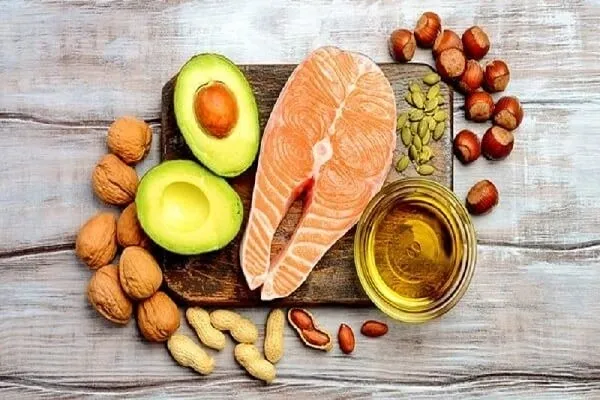
Unsaturated fats are liquid at room temperature and are found in plant-based sources like nuts, seeds, and oils. There are two types of unsaturated fats: monounsaturated or MUFA and polyunsaturated or PUFA. MUFA and PUFA are found in abundance in cold-pressed oils like groundnut, sesame/gingelly or mustard. They are also present in salmon and avocados.
Trans fats are artificially created through a process called hydrogenation, which turns liquid oils into solid fats. Trans fats are often found in processed foods like snack foods, fried foods, and baked goods. Eating trans fats can increase the risk of heart disease and other health problems.
Choosing the Right Oil
When it comes to choosing the right oil, it’s important to consider the type of fat it contains. Oils that are high in monounsaturated and polyunsaturated fats are generally considered to be the healthiest options, e.g Peanut oil, and Sesame oil.
Polyunsaturated fats, especially omega-3 fatty acids, are important for brain health and have been linked to a reduced risk of heart disease.
Cold-pressed oils are a great option to consider, as they are minimally processed and retain more of their natural nutrients. Cold-pressed oils are made by crushing the seeds or nuts and extracting the oil without the use of heat or chemicals.
When choosing an oil, it’s also important to consider the smoke point, which is the temperature at which the oil starts to smoke and break down. Oils with a high smoke point, like coconut oil, are better for high-heat cooking methods like frying and roasting.
Must try our range of cold-pressed premium oils to unlock the above benefits.